 PermaKill Exterminating -
-
Business
Pest control service
-
4 views -
0 Comments -
0 Likes -
0 Reviews
PermaKill Exterminating -
-
Business
Pest control service
-
4 views -
0 Comments -
0 Likes -
0 Reviews
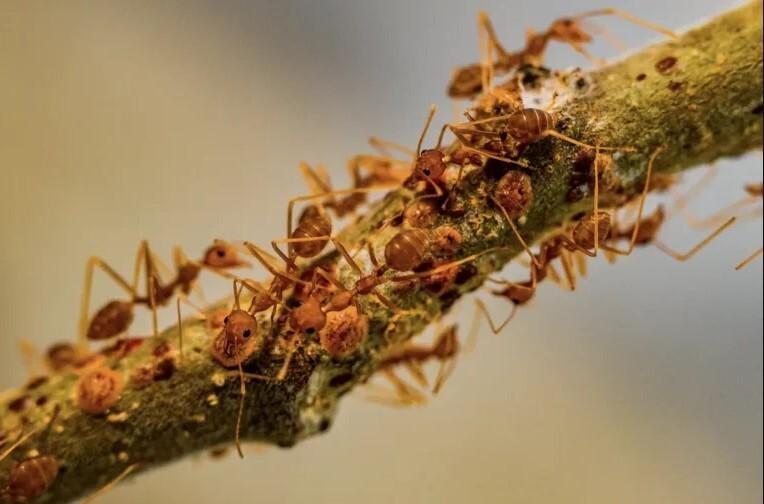
Managing large properties and rural estates requires a distinct approach to boundary control and environmental management. Unlike densely packed suburban developments, expansive properties feature long, complex borders where manicured grounds meet wild, unmanaged natural habitats. This transition zone is highly active, serving as a staging ground for a wide variety of wildlife and insects looking to expand their territory. Field mice, raccoons, varied ant species, and heavy tick populations view these residential plots as resource-rich extensions of their natural environment. The strategy here cannot simply be about building a wall; it is about managing the transition and creating a heavily monitored defensive perimeter that actively discourages encroachment from the surrounding wilderness.
The sheer scale of these properties means that traditional, localised treatments are almost always insufficient. You cannot simply spray a foundation and expect to solve a problem that originates fifty yards away in a dense thicket of trees. Effective Pest Control in Oldwick NJ relies on thoroughly understanding the natural movement patterns across large acreage. Professionals map the property to identify specific corridors that animals and insects use to travel—such as overgrown fencelines, dry creek beds, or utility trenches. By intercepting these populations far before they reach the main residence or outbuildings, the pressure on the actual living structures is drastically and permanently reduced.
Outbuildings, barns, and detached garages present entirely unique vulnerabilities on large estates. These structures are often used for storing expensive equipment, animal feed, or bulk firewood, making them highly attractive to rodents seeking shelter and easy sustenance. Because these buildings are not occupied constantly by humans, an infestation can grow substantially before it is ever detected. Mice and rats will quickly destroy wiring in heavy machinery or contaminate stored grain, leading to significant financial losses. Establishing independent baiting and constant monitoring stations around every structure on the property is a standard industry practice to ensure comprehensive coverage and early detection.
The seasonal cycles in rural areas dictate a highly regimented, predictive schedule for intervention. Heavy spring rains drive ground-dwelling insects out of flooded burrows and toward higher, drier ground—which is often the foundation of a home. Autumn triggers a massive migration of rodents desperately seeking winter shelter before the frost hits. An estate manager must anticipate these cycles rather than waiting to react to them after the fact. Applying granular barriers to the soil during specific weather windows and deploying targeted exterior bait stations just as temperatures begin to drop are tactical moves that prevent large-scale invasions. Timing is absolutely everything when dealing with massive natural environmental pressures.
Landscaping choices directly impact the level of pest activity near the main home. While heavy, ornamental planting looks appealing, placing dense shrubs or thick mulch directly against the foundation creates a dark, damp micro-climate that pests highly favour. Maintaining a clear, completely dry barrier—often a strip of crushed stone or gravel—between the soil and the building materials forces insects to cross an exposed area, making them vulnerable and less likely to proceed. Trimming tree canopies so they do not overhang roofs prevents rodents from bypassing ground defences entirely. Proper estate management integrates these smart landscaping practices directly into the overall control strategy.
Technological advancements have dramatically improved how we monitor expansive, multi-acre properties. Remote sensing stations can alert professionals to rodent activity in distant outbuildings without requiring daily physical inspections. This allows for highly efficient, targeted responses exactly where the activity is occurring, rather than applying broad, unnecessary treatments across the entire estate. This level of precision reduces the chemical footprint on the property, protecting local groundwater and non-target wildlife while maintaining strict control over the specific nuisance populations causing the damage.
Successful management of a rural property is an ongoing process of careful observation, adjustment, and precise execution. It requires a deep understanding of local ecology and the specific pressures exerted by the surrounding environment. By employing strategic exterior defences, managing the grounds smartly, and maintaining constant vigilance over all structures, property owners can fully enjoy the beauty of their expansive surroundings without the constant disruption of unwanted wildlife. It is about establishing clear boundaries and enforcing them consistently year-round.
Conclusion
Securing a large rural property requires a strategic understanding of environmental boundaries and pest movement patterns. By intercepting threats at the perimeter and monitoring all outbuildings, estate owners can significantly reduce the pressure on main residences. Anticipating seasonal shifts and managing landscaping effectively are crucial components of a comprehensive defence. Consistent, intelligent management ensures the property remains secure and functional throughout the year.
Call to Action
Protect your expansive property with strategies designed specifically for large estates and rural environments. Implement a professional perimeter defence system to keep your main residence and outbuildings completely secure.
Visit: https://permakillexterminating.com/pest-control-oldwick-nj/



 RSS Feed
 RSS Feed

 Loading ...


