 Paradise Vape & Smoke Shop Morrow CBD & Hookah -
-
Business
30 views -
0 Comments -
0 Likes -
0 Reviews
Paradise Vape & Smoke Shop Morrow CBD & Hookah -
-
Business
30 views -
0 Comments -
0 Likes -
0 Reviews
Leaving your local neighbourhood and travelling long distances introduces a highly specific set of challenges for users of electronic atomisation devices. The routine you follow comfortably at your desk or in your own living room completely falls apart when you introduce changes in altitude, strict security regulations, and the physical stress of continuous movement. Most users do not consider the basic physics of their equipment until they reach into their travel bag and discover an expensive piece of hardware completely covered in leaked, sticky fluid. Understanding how atmospheric pressure and temperature fluctuations interact with your specific hardware is absolutely critical for avoiding expensive hardware failures and frustrating delays while in transit.
Air travel presents the most immediate physical threat to your liquid containment. A standard atomiser relies entirely on a carefully balanced internal vacuum to keep the fluid suspended within the glass tank. When an aircraft takes off and the cabin pressure drops significantly, the air trapped inside your tank rapidly expands. This expansion violently forces the liquid down through the cotton wicks and directly out of the bottom airflow vents. To completely bypass this messy physical inevitability, experienced travellers completely empty their glass tanks before arriving at the departure terminal. Alternatively, they switch entirely to sealed, disposable pod systems specifically for the duration of the flight, completely eliminating the variable of complex internal tank pressures.
Battery safety regulations dictate exactly how you must pack your equipment before boarding. Civil aviation authorities globally are incredibly strict regarding the transportation of high-drain lithium-ion cells due to the risk of thermal runaway in a pressurised cargo hold. You are strictly prohibited from placing any loose batteries or battery-powered devices in your checked luggage. Every single piece of electronic hardware must be carried in your cabin baggage. Furthermore, spare external cells must be transported in non-conductive plastic battery cases. Allowing a loose cell to roll around in a backpack where it could potentially short-circuit against metallic keys or loose coins is a massive, completely preventable safety hazard.
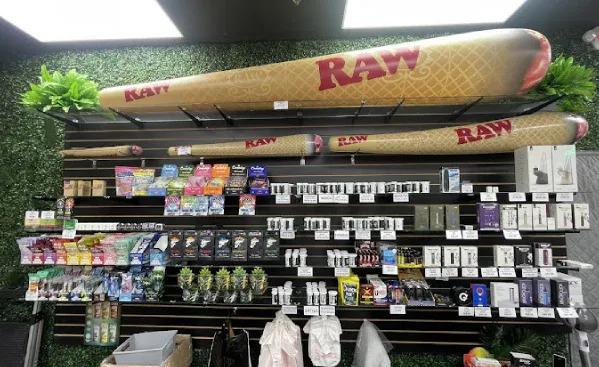
Preparing for an extended trip means acknowledging that you might not have access to your usual supplies for weeks. You cannot assume that your specific brand of replacement coils or your heavily preferred liquid ratio will be available in a different state or country. Securing your travel inventory is precisely why you need to visit the best Vape Shop Morrow days before your scheduled departure. A well-stocked local retailer allows you to purchase a sufficient quantity of replacement pods, tightly sealed liquid bottles, and fresh external batteries to cover the entire duration of your trip. The staff can also advise you on the most travel-friendly hardware options, helping you select a compact, highly durable device that takes up minimal space in a crowded carry-on bag.
Road trips require a different set of logistical considerations, primarily regarding extreme temperature control. Leaving an electronic device sitting in the centre console of a parked car under direct afternoon sunlight is highly destructive. The intense heat dramatically thins the viscosity of the liquid, causing it to flood the atomiser and leak heavily onto the electronics. More importantly, exposing a lithium-ion battery to extreme vehicular heat severely degrades its internal chemistry and can trigger an immediate, catastrophic failure. You must treat your hardware with the same thermal caution as you would a high-end smartphone or a laptop.
Successful travel requires anticipating physical variables and packing accordingly. By understanding the strict rules regarding battery transportation, respecting the physics of atmospheric pressure, and deliberately stocking up on necessary supplies from a trusted local source beforehand, you completely eliminate the stress of equipment failure while on the road. A little strategic planning ensures your routines remain entirely uninterrupted, regardless of your geographical location.
Conclusion
Travelling with electronic hardware requires strict adherence to battery safety regulations and a solid understanding of how atmospheric pressure affects fluid dynamics. Taking the time to properly prepare your equipment and secure necessary supplies locally before departure ensures a completely stress-free travel experience.
Call to Action
Ensure you are fully prepared for your next journey by visiting our store to stock up on travel-friendly devices, protective battery cases, and replacement supplies.



 RSS Feed
 RSS Feed

 Loading ...


